Home Improvement

Home Remodeling Dos and Don’ts: A Complete Guide for a Successful Renovation

Mt Juliet Home Remodeling is an exciting opportunity to improve your living space, enhance comfort, and increase property value. However, a successful renovation requires careful planning, smart decision-making, and attention to detail. Whether you are remodeling a kitchen, bathroom, or entire home, knowing the right approaches and common pitfalls can save time, money, and stress.

home remodeling

Dos of Home Remodeling

1. Plan Thoroughly Before Starting

One of the most important steps in any remodeling project is creating a comprehensive plan. Planning helps you set realistic goals, establish a budget, and anticipate potential challenges. Consider your objectives, such as improving functionality, updating aesthetics, or increasing property value, and develop a roadmap for achieving them.

A well-thought-out plan ensures that every aspect of the project, from design to construction, is coordinated and executed smoothly. Planning also helps reduce surprises and prevent unnecessary delays or expenses.

2. Set a Realistic Budget

Budgeting is a critical component of a successful remodeling project. Determine how much you can afford to spend and allocate funds to different areas, including materials, labor, permits, and contingencies. It is advisable to set aside 10–15% of your budget for unexpected expenses that may arise during construction.

Having a clear budget ensures you make informed choices about materials, finishes, and design options while preventing overspending. It also allows contractors to plan and execute work within your financial framework.

3. Hire Qualified Professionals

Engaging experienced contractors, designers, and tradespeople can make a significant difference in the outcome of your remodeling project. Professionals bring expertise, technical skills, and knowledge of building codes that ensure high-quality results.

Licensed and insured contractors also provide accountability and protect you from potential liability issues. Collaborating with professionals allows you to achieve your design vision while maintaining safety and compliance with regulations.

4. Prioritize Functionality and Layout

While aesthetics are important, functionality should be a primary consideration in any remodeling project. Focus on creating efficient layouts that optimize space, improve traffic flow, and enhance usability.

For example, in kitchen remodeling, ensure the placement of appliances, sinks, and storage creates a practical workflow. In bathroom renovations, consider space-saving fixtures, proper lighting, and adequate ventilation. Thoughtful planning improves comfort and usability long after the project is completed.

5. Research Materials and Products

Choosing the right materials and products impacts both the look and longevity of your remodel. Research options carefully, considering durability, maintenance, and style. High-quality materials may cost more upfront but can save money in the long run by reducing the need for repairs or replacements.

Additionally, modern home remodeling often incorporates energy-efficient and sustainable products, such as LED lighting, low-flow plumbing fixtures, and insulation upgrades. Selecting eco-friendly materials contributes to long-term savings and environmental responsibility.

6. Obtain Necessary Permits

Many remodeling projects require permits to comply with local building codes. Before starting construction, verify which permits are needed for your project. Permits ensure safety standards are met, prevent future legal issues, and may even impact your property’s resale value.

Working with contractors familiar with local regulations simplifies the permitting process and ensures your project remains compliant from start to finish.

7. Communicate Clearly with Your Team

Clear communication with contractors, designers, and suppliers is essential for a smooth remodeling process. Discuss your expectations, timelines, and budget openly to avoid misunderstandings. Regular updates and site visits help monitor progress and ensure the project stays on track.

Effective communication fosters collaboration, reduces errors, and ensures that your remodeling vision is accurately translated into the finished space.

Don’ts of Home Remodeling

1. Don’t Rush the Process

One of the biggest mistakes homeowners make is rushing through planning or construction. Hasty decisions can lead to costly mistakes, design flaws, and incomplete work. Allow ample time for planning, selecting materials, and completing each stage of the project.

Patience is key to achieving high-quality results that meet your expectations and last for years. Rushing compromises craftsmanship, design, and overall satisfaction with the remodel.

2. Don’t Ignore Your Budget

While it’s tempting to overspend to achieve a dream home, ignoring your budget can create financial strain. Avoid making impulsive decisions about materials, fixtures, or additional features that exceed your planned expenses.

Sticking to a budget ensures that the project remains feasible and prevents debt or financial stress. If unexpected costs arise, adjust priorities rather than exceeding your overall financial limits.

3. Don’t Skip Professional Advice

Trying to manage a remodeling project without professional guidance can lead to mistakes that are difficult and expensive to correct. Avoid bypassing consultations with contractors, designers, or architects, even for small projects.

Professionals provide expertise in structural integrity, design, and local building codes. Their advice helps you avoid common pitfalls and ensures that your remodel is safe, functional, and aesthetically pleasing.

4. Don’t Neglect Function for Aesthetics

While it is tempting to prioritize design trends, functionality should never be compromised. Avoid selecting materials or layouts that look appealing but are impractical for daily use.

For example, a beautiful countertop that is easily damaged or a decorative bathroom fixture that is difficult to maintain may create long-term frustration. Balance aesthetics with practical considerations for a remodel that is both attractive and livable.

5. Don’t Overlook Structural Issues

Ignoring underlying structural problems can lead to costly repairs down the road. Before renovating, have a professional inspect foundations, plumbing, electrical systems, and roofing.

Addressing these issues early ensures that your remodel is safe, durable, and compliant with building standards. It also prevents unexpected complications during construction that can delay timelines and inflate costs.

6. Don’t Forget About Resale Value

Even if you plan to stay in your home long-term, consider how remodeling decisions may affect resale value. Avoid highly personalized or unconventional choices that could limit appeal to future buyers.

Investing in timeless designs, quality materials, and functional layouts increases the likelihood that your remodel will enhance property value over time.

7. Don’t Ignore Maintenance Requirements

Some materials and fixtures require ongoing maintenance to remain functional and attractive. Avoid selecting options that are difficult or costly to maintain unless you are prepared to invest the necessary time and effort.

For example, certain flooring, countertops, or cabinetry materials may look luxurious but require special cleaning or repairs. Consider longevity and ease of maintenance when making selections.

Final Tips for a Successful Remodel

Successful home remodeling is a combination of careful planning, realistic budgeting, professional guidance, and thoughtful design. Keep these additional tips in mind:

  • Prioritize projects based on impact – Focus on areas that provide the most value, such as kitchens, bathrooms, and living spaces.
  • Be flexible – Remodeling projects often encounter unexpected challenges; flexibility allows for adjustments without compromising quality.
  • Document changes – Keep records of design plans, materials, and contracts to ensure accountability and avoid disputes.
  • Focus on long-term goals – Consider durability, energy efficiency, and future needs when making remodeling decisions.

By following these dos and don’ts, homeowners can minimize risks, reduce stress, and achieve a remodel that enhances both the beauty and functionality of their home.

Home remodeling is a rewarding way to improve comfort, aesthetics, and property value. By adhering to the right practices and avoiding common mistakes, homeowners can ensure that their projects are successful, cost-effective, and satisfying.

The key do’s—thorough planning, budgeting, hiring professionals, prioritizing functionality, researching materials, obtaining permits, and communicating clearly—lay the foundation for a smooth renovation process. Conversely, avoiding the don’ts—rushing, ignoring budgets, skipping professional advice, neglecting functionality, overlooking structural issues, disregarding resale value, and ignoring maintenance requirements—prevents costly mistakes and stress.

Ultimately, a successful remodel transforms your living space into a home that meets your lifestyle needs, reflects your personal style, and provides long-term value. Careful planning, smart decision-making, and professional execution ensure that your remodeling investment pays off in comfort, beauty, and satisfaction for years to come.

Cabinet Painting

Trending Cabinet Colors and Finishes for Modern Kitchens

Modesto Cabinet Painters

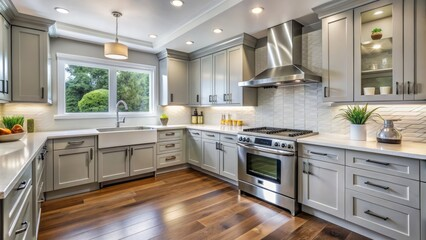
Replacing your entire kitchen is a big commitment. So, you’ll want to make sure your cabinets look great for years to come.

Whether you love an earthy aesthetic or prefer bursts of color, there are plenty of cabinet paint trends to choose from this year. Read on to discover some of our favorite hues and stunning finishes that amplify them. Contact Modesto Cabinet Painters for more details.

Fantasia Blue

One of the most popular cabinet colors, blue shades can range from pale pastels to bold navy. The latter can be a dramatic choice that instantly elevates your kitchen, says Nasir, especially when paired with warm white accents or natural wood elements. If you’re nervous about making such a big color statement, consider painting just the island to act as a focal point.

Earthy greens are another cabinet trend to try. This year’s hues are more muted than past seasons, bringing organic calm into your kitchen and serving as a natural backdrop for other design elements.

For a more vibrant option, look no further than stormy blues like Sherwin Williams’ Rain Cloud or Benjamin Moore’s Blue Danube. These deep ocean tones evoke the sense of connection we feel with nature, notes Sherwin Williams’ 2023 ColorMix, and can help a kitchen feel like a true part of its surroundings.

Medium tones are also popping up in kitchens. These rich browns and tans have a warmth that helps balance other kitchen trends, such as the softer neutrals and earthy blues we see above. They also hide smudges, fingerprints and other everyday debris better than lighter tones, which makes them ideal for busy homes. For a clean, sleek appearance, pair these shades with brushed nickel or chrome hardware.

Dusty Lavender

Purple is a fun color that works well for kitchens. From dusty lavender to rich lilac and deep aubergine, these hues play nicely with wood, stone, brass, and more. Lighter shades add a soft, feminine touch, while darker tones feel luxurious and evocative. Whether you opt for full purple kitchen cabinets or a pop of color on the island, these shades create an airy aesthetic that complements white countertops and wood flooring.

A connection to nature inspires many of this year’s shade of the year selections. Sherwin Williams’s Rain Cloud, for example, suggests a connection to the natural ocean landscape and is an appealing alternative to neutral shades that can feel cold. Greens also echo nature, with a range of tones from tranquil moss greens to muted cyans and whispery mint.

Darker hues like Sherwin Williams’ Garden Gate have a bluish tint that pairs nicely with cooler tones. Meanwhile, Plain & Fancy’s Tamarind offers a rich chocolate stain that can stand alone as an accent or pair with wood and stone elements. Dark wood stains also play well with the natural blues and greens that are popular this year. Ultimately, however, it’s important to remember that trends can provide guidance, but your personal preference is what will truly make your kitchen a home.

Cherry Taupe

When done right, earthy shades can bring a modern kitchen into its own. With warm and earthy accents, natural wood grains, and a touch of white, these colors work with a variety of different styles of cabinetry. From Sherwin Williams’ Arboreal to Valspar’s Desert Sand, this trend is a great way to balance your cabinets without feeling too overdone or dated.

While all-white aesthetics may be getting some flak, Hackett says she’s still seeing a shift towards creamier shades like Wimborne White. She also thinks the trend for lighter greens like Sherwin William’s Arboreal is on the rise. This shade offers a soothing, refreshing look that pairs well with light hardwoods and stone.

For a bolder option, Nasir notes that she’s seeing deep reds and burgundies re-enter the design sphere again. “As dramatic as these colors can be, they’re sophisticated and add a sense of elegance to any room,” she explains.

To maintain a polished appearance, she recommends pairing them with metallic finishes and layered lighting. Oil-rubbed bronze looks stunning with Denim Blue and Silas cabinetry, while brushed nickel highlights warmer neutrals like Ash Gray or Saddle.

Arizona Dust

Amid a sea of blues and earthy browns, Sherwin Williams reports that mid-tone greens are also making waves in the kitchen. Inspired by nature, these greens offer a connection to the outdoors without feeling too tropical or overbearing. They’re perfect for homeowners who want to add a fresh, organic element to their kitchen design.

White is still popular for cabinets, but 2024 features a softer, more muted take on the classic hue. These neutral shades are more versatile than ever, blending beautifully with natural wood tones and complementing copper and wrought iron accents. They’re ideal for high-traffic spaces that require a durable finish that will stand up to wear and tear.

For stained cabinetry, tung oil and Danish oil are popular options that provide water resistance and a natural appearance. These finishes penetrate the wood rather than sitting on top of it, allowing you to easily repair damage or refresh the color without the need for extensive refinishing. Nitrocellulose lacquer is another option that offers exceptional durability and can be polished to a range of sheen levels. However, it requires professional application since it needs to cure in climate-controlled conditions. It’s also more expensive than other options but can be worth the investment in high-end installations.

Wandering Vine

Cabinets are the center of any kitchen design, and the color choice you make sets the tone for the rest of your space. With so many options available, you have the opportunity to create a kitchen that feels fresh and inviting. From light neutral shades to deep earthy tones, these trends are sure to bring your dream kitchen to life.

Millennial gray cabinets are definitely a thing of the past, and while they may look trendy in photos, the color can feel too cold and uninspiring in person. To keep your kitchen feeling modern, consider a warmer white shade like Dove or Cascade. Alternatively, a rich cream like Sherwin Williams’ Garden Gate can offer a more balanced warm and cool effect and complements a wide range of natural tones and styles.

If you prefer a bolder cabinet color, dark reds and burgundies are a rising trend in kitchens across Tuscaloosa. Although these shades may seem dramatic, they can be sophisticated when paired with the right accents. Choose a subtle glaze or stain such as Sherwin Williams’ Tudor to elevate a bolder wood style, while stains like Desert Sage and Cocoa pair well with lighter paint finishes and natural wood countertops. When it comes to choosing hardware, neutral shades like Denim Blue or Silas look beautiful with oil-rubbed bronze and warm tones like Tamarind pop with brushed brass.

Terra Green

Replacing cabinetry every few years is a big investment, but you can refresh your kitchen without breaking the bank by changing up the color and finish. Trends may inspire you to try a new shade, but it’s important to consider how that shade will coordinate with your flooring, countertop, and lighting. The best cabinet paints and stains for modern kitchens provide versatility, hiding scuffs and fingerprints with ease while adding a splash of personality.

Earthy shades like terra green enliven the space, blending nicely with other natural colors and textures. It is also a great option for creating a neutral backdrop to showcase decorative elements and hardware. The mossy hue pairs well with wood tones such as walnut or hickory.

Whites continue to remain a popular choice for kitchen cabinets, particularly warmer options such as Dove White and Cascade White. These rich, buttery tones add a touch of warmth and texture while complementing a wide range of wood finishes and metal accents. Homeowners are also exploring two-tone cabinetry, combining white with medium wood tones for a warm and inviting look. Mixing finishes and materials is another popular design element that we expect to see more of in 2023. According to House Beautiful, this may include pairing wood cabinet towers with painted lower cabinets or introducing a darker stain for an island that sits on top of a natural-looking quartz surface.

Daydream

The earthy shades we’ve already explored continue to hold a strong presence in kitchen color trends for 2023. While deep azure and forest green remain popular, Houzz reports that there’s also been a rise in lighter, minty shades such as Wandering Vine. These tones provide a fresh, revitalizing alternative to traditional white and work well with many of the overarching natural design trends that we’re seeing across homes today.

In addition to capturing the beauty of nature, some of these trending cabinet paint colors and finishes are also practical for homeowners who want a low-maintenance aesthetic. Lighter tones like Soft White and White Sand help small kitchens feel more open and bright, while darker hues such as Dragon’s Breath and Braun hide fingerprints and scuffs more easily than some other shades.

Regardless of what shade you choose, the key to creating a stunning kitchen is pairing it with a finish that complements your other hardware and design elements. For example, dark stains like Denim Blue pair well with oil-rubbed bronze hardware while warm shades such as Muskoka Trail pop against brushed nickel or brass. To find the perfect combination for your home, contact our team to schedule a time to meet with one of our designers in person.

HVAC

Keeping Your Home or Business Cool and Comfortable

Air conditioning is an essential part of modern living, providing comfort, improved productivity, and better indoor air quality during hot months. However, like any complex mechanical system, air conditioners are prone to wear and tear over time, leading to decreased efficiency, higher energy bills, and unexpected breakdowns. This is where AIR CONDITIONING REPAIR LOVELAND OH services play a critical role. Timely and effective repair ensures that your system operates safely, efficiently, and reliably, keeping your home or business comfortable when it matters most.

air conditioning repair

One of the first signs that an air conditioning system requires repair is inconsistent cooling. If certain rooms feel hotter than others or the unit struggles to maintain a set temperature, there may be issues with airflow, refrigerant levels, or the thermostat. Other common indicators include unusual noises, such as grinding, rattling, or buzzing, which often point to mechanical problems like worn-out motors or loose components. A sudden increase in energy bills without changes in usage is also a warning sign, signaling that the system is working harder than necessary due to inefficiency or a malfunction.

Air conditioning repair services involve a detailed assessment of the system to identify the root cause of these issues. Professional technicians inspect electrical components, compressors, evaporator and condenser coils, refrigerant lines, and airflow patterns. For gas-powered systems, they ensure that gas connections are secure and the burners function correctly. This thorough evaluation not only restores proper function but also enhances energy efficiency, reduces operating costs, and prevents potential safety hazards, such as electrical failures or refrigerant leaks.

One of the primary benefits of professional air conditioning repair is improved efficiency. A system with worn or malfunctioning components can consume significantly more energy to achieve the desired cooling effect. Repairing these issues restores optimal performance, helping reduce utility bills while ensuring consistent comfort. Modern repair techniques also include recalibrating thermostats, replacing faulty sensors, and cleaning air filters, all of which contribute to improved efficiency and longer equipment lifespan.

Preventive maintenance is another key factor in minimizing the need for costly repairs. Regular inspections, ideally conducted before the start of the summer season, allow technicians to identify minor problems before they escalate. Cleaning coils, checking refrigerant levels, lubricating moving parts, and replacing worn filters are standard procedures that enhance system performance and reliability. By addressing issues proactively, property owners can prevent emergency breakdowns and ensure their air conditioning system operates efficiently throughout the season.

Here are a few advantages of engaging professional air conditioning repair services:

  1. Enhanced Energy Efficiency – Repairing or replacing faulty components allows the system to cool effectively without consuming excessive energy, resulting in lower monthly bills.
  2. Extended System Lifespan – Timely repairs reduce wear on critical parts, preventing early system failure and delaying the need for replacement.
  3. Consistent Comfort – Restoring proper airflow and cooling capacity ensures even temperatures throughout your property, eliminating hot spots and discomfort.
  4. Improved Indoor Air Quality – Cleaning filters and inspecting ducts as part of the repair process reduces dust, allergens, and pollutants circulating indoors.
  5. Reduced Risk of Emergencies – Identifying and addressing potential issues early helps avoid sudden breakdowns during extreme heat.

Air conditioning repair is not just about fixing immediate problems—it’s also about preventing future issues and maintaining optimal system performance. Older systems, in particular, benefit from professional repairs, as they tend to experience increased wear and may lack the efficiency of newer models. Technicians can advise on which repairs will extend the system’s life and when a replacement might be more cost-effective in the long term. Generally, if a system is more than 10 to 15 years old or if repair costs exceed half the price of a new unit, replacement may be the smarter option.

Technological advances have also transformed air conditioning repair, making it more precise and effective. Modern diagnostic tools allow technicians to quickly pinpoint problems such as refrigerant leaks, electrical faults, or compressor inefficiencies. Some systems also incorporate smart sensors and digital monitoring, alerting homeowners to performance issues before they escalate. This technology, combined with expert repair, ensures reliable cooling, energy savings, and reduced downtime.

Another important aspect of air conditioning repair is safety. Malfunctioning systems can pose risks, including electrical fires, refrigerant leaks, or system failures that compromise indoor comfort. Certified repair technicians adhere to strict safety protocols and industry standards, ensuring that all work is performed safely and correctly. For gas-powered systems, this includes checking connections and combustion components to prevent dangerous leaks, while electrical systems are tested to avoid short circuits or other hazards.

Proper air conditioning repair also helps maintain indoor comfort beyond temperature control. A system that functions efficiently regulates humidity, which is crucial for both comfort and health. Excess humidity can lead to mold growth and exacerbate allergies, while overly dry air can cause discomfort and damage to furnishings. Repairing and maintaining a system ensures balanced humidity levels, contributing to a healthier and more comfortable indoor environment.

When considering air conditioning repair, it’s important to choose a service provider with experience and expertise in handling all types of systems, including central air, ductless mini-splits, heat pumps, and window units. Experienced technicians are familiar with different brands and models, ensuring that repairs are performed correctly and efficiently. Many service providers offer emergency repair services, which are invaluable during heatwaves when system failures can cause discomfort or even health risks.

Maintenance and minor repairs go hand-in-hand to maximize the lifespan of an air conditioning system. Homeowners can support professional efforts by regularly changing air filters, keeping vents and registers unobstructed, monitoring energy usage for sudden spikes, and scheduling annual inspections. These practices reduce the likelihood of breakdowns, optimize energy efficiency, and improve indoor air quality.

In addition to immediate benefits, professional air conditioning repair has long-term financial advantages. Efficient operating systems use less energy, which translates into lower utility bills. Reduced wear on components delays expensive replacements, and maintaining a consistent cooling environment helps protect other parts of the HVAC system, including ductwork and thermostats. In commercial spaces, proper air conditioning repair ensures a comfortable environment for employees and customers, which can positively affect productivity and client satisfaction.

To summarize, air conditioning repair services are an essential aspect of maintaining comfort, efficiency, and safety. Timely repairs address minor issues before they escalate, improve energy efficiency, extend system lifespan, and maintain indoor air quality. By choosing professional repair services and combining them with routine maintenance, homeowners and businesses can enjoy reliable cooling, lower operating costs, and a healthier indoor environment.

Key Takeaways for Air Conditioning Repair:

  1. Identify Problems Early: Watch for inconsistent cooling, unusual noises, or rising energy bills, and schedule repairs promptly.
  2. Professional Assessment is Critical: Certified technicians provide accurate diagnostics, safe repairs, and expert recommendations for long-term system performance.
  3. Maintenance Reduces Costs: Regular inspections and cleaning improve efficiency, prevent breakdowns, and extend the life of the system.
  4. Safety and Comfort are Priorities: Proper repair ensures safe operation, consistent temperatures, and balanced indoor air quality.

Ultimately, air conditioning repair is more than just a technical service—it’s a proactive strategy to maintain comfort, protect your investment, and ensure peace of mind. By combining professional expertise with regular upkeep, property owners can maximize system efficiency, prevent emergencies, and enjoy cool, comfortable indoor environments all summer long.

Uncategorized

Reliable Handyman Services for Every Home Need

Maintaining a home can be a rewarding experience, but it often comes with a long list of repairs, upgrades, and maintenance tasks. From leaky faucets to broken doors, homeowners frequently encounter issues that require attention but may lack the time, tools, or expertise to handle them. This is where a skilled handyman becomes invaluable. Handyman services provide practical solutions for a wide range of household tasks, ensuring that homes remain safe, functional, and well-maintained.

A handyman’s versatility is one of their most significant advantages. Unlike specialists who focus on a single trade, a handyman is trained to handle multiple types of repairs and improvements. This includes plumbing fixes, electrical work, carpentry, painting, appliance installations, and general maintenance. Whether it is a minor repair or a small renovation, a handyman offers the skills needed to complete tasks efficiently and correctly. Their ability to manage diverse projects saves homeowners the hassle of hiring multiple professionals for different jobs.

handyman

Plumbing is a common area where handyman services prove essential. Tasks such as fixing leaks, replacing faucets, unclogging drains, or installing fixtures require precision and knowledge. Improper repairs can lead to water damage, higher utility bills, or safety hazards. A professional handyman ensures that plumbing issues are addressed promptly and correctly, preventing long-term damage and reducing the risk of costly repairs. Their expertise allows homeowners to maintain the integrity and functionality of their plumbing systems with confidence.

Electrical work is another area where handymen provide valuable assistance. From installing light fixtures and ceiling fans to repairing outlets or switches, their experience ensures that electrical tasks are performed safely and up to standard. Handling electrical issues without proper training can be dangerous, leading to shocks, short circuits, or fire hazards. A skilled handyman not only completes these tasks efficiently but also ensures safety for the household, providing peace of mind for homeowners.

Carpentry and home improvement projects are often part of a handyman’s responsibilities. This can include assembling furniture, repairing cabinets, installing shelves, or creating custom storage solutions. Handymen are adept at measuring, cutting, and assembling materials with accuracy, resulting in professional-quality finishes. Their craftsmanship improves the appearance, functionality, and durability of home interiors. Small improvements, when performed correctly, can make a significant difference in both comfort and style.

Painting and aesthetic upgrades are another specialty of handyman services. Fresh paint can dramatically enhance a room’s appearance, protect surfaces, and increase property value. Handymen handle tasks such as prepping surfaces, repairing minor wall damage, and applying paint evenly. They can also assist with touch-ups, accent walls, or even minor decorative changes. By combining practical repairs with aesthetic improvements, a handyman helps maintain both the function and beauty of a home.

Outdoor maintenance is also a key component of handyman services. Tasks such as repairing fences, fixing gates, installing outdoor lighting, or maintaining decks and patios require specific skills and tools. Handymen ensure that outdoor spaces are safe, attractive, and fully functional. Regular attention to exterior repairs not only enhances curb appeal but also prevents long-term damage from weather exposure and wear. A well-maintained exterior contributes significantly to a home’s overall value and livability.

Time efficiency is another reason homeowners rely on handymen. Many household tasks are time-consuming, especially when attempting DIY solutions without proper experience. A professional handyman completes tasks quickly and efficiently, reducing disruption to daily life. Their expertise allows them to troubleshoot problems effectively, anticipate potential issues, and provide solutions that save time and effort for homeowners. This efficiency ensures that homes remain in excellent condition without unnecessary delays or frustration.

Safety is a critical consideration when performing household repairs. Handymen are trained to follow safety protocols and use the appropriate tools and materials for each task. This reduces the risk of injury or further damage to the home. Whether handling electrical wiring, using power tools, or working at heights, a professional handyman approaches each project with caution and skill, ensuring a safe and reliable outcome. Homeowners can feel confident knowing that repairs are performed with both quality and safety in mind.

Cost-effectiveness is another benefit of hiring a handyman. Attempting repairs without expertise can lead to mistakes that require additional time and money to fix. By hiring a professional, homeowners avoid repeated errors and unnecessary expenses. Many handymen offer flexible pricing, including hourly rates or project-based fees, making it easier to manage home maintenance budgets. The combination of efficiency, skill, and reliability often results in better value for the money invested.

Handyman services are not limited to repairs alone. They also include preventive maintenance and small upgrades that enhance the overall functionality and longevity of a home. Regular inspections, minor adjustments, and timely repairs prevent issues from escalating, keeping the home in top condition. This proactive approach minimizes costly emergencies and ensures that living spaces remain comfortable and safe year-round.

In addition to technical skills, a handyman often provides guidance and recommendations for home improvement projects. Their experience allows them to suggest cost-effective solutions, efficient materials, and practical approaches to repairs and upgrades. Homeowners benefit from expert advice, ensuring that improvements are both functional and aesthetically pleasing. A knowledgeable handyman acts as a trusted partner in maintaining and enhancing the value of a home.

In conclusion, handyman services offer a comprehensive solution for home maintenance, repairs, and improvements. Their versatility, efficiency, and expertise make them an essential resource for homeowners seeking reliable support. From plumbing and electrical work to carpentry, painting, and outdoor maintenance, handymen address a wide range of household needs with professionalism and skill. By hiring a handyman, homeowners save time, reduce stress, ensure safety, and maintain the value and comfort of their living spaces. A skilled handyman is more than just a repair professional—they are a key partner in creating a well-maintained, functional, and beautiful home that can be enjoyed for years to come.

Metal Craft

How Much Do Custom Stairs and Railings Cost?

Custom Stairs and Railings

Custom Stairs and Railings adds value to your home, adding beauty and security. Safety and accessibility features may require structural reinforcements or specialized designs, increasing the project cost.

Curved staircases require railings that perfectly follow their contour, a time-consuming process that raises project costs. Decorative or specialty fittings also elevate project costs.

Materials

As with any renovation project, the cost of materials determines much of the overall price. Whether you’re working with wood, metal, glass or another material, the choice you make will affect your final costs. A minimalist design with simple posts and clean finishes is budget-friendly, while adding details like balusters or a unique stain will raise the price.

A staircase’s shape and layout also impact cost. Standard straight staircases require less railing than U-shaped or curved designs, which need additional connectors and support columns. These extra components add to both the material and labor costs. Stair railing installation companies typically charge $50 to $150 per hour for professional installations. This covers the labor needed to ensure your new stair railing meets building codes and safety standards.

Choosing the best materials for your stair railing is a critical part of the design process. Each type of material offers different benefits, but all have a significant impact on the project’s final cost. Wood railings are versatile and budget-friendly, while wrought iron options add elegance and timeless beauty to your home. Glass stair railings add dramatic visual appeal to your interior, but they aren’t suitable for all types of stairs due to their weight and durability.

Once you’ve selected the ideal materials for your stair and railings, consider adding or removing other elements to personalize your look. Decorative handrail end caps and newel posts, for example, can elevate your design and add to the finished look. They’re a great way to add style to your staircase while protecting the railings from damage and debris.

Stair treads are another important component to consider for the overall look of your staircase. Wooden or composite stair treads provide durability and an attractive finish to your home. Alternatively, natural stones like marble or granite can add a sense of grandeur and luxury to your stairway. Stone treads are heavier than other materials, however, so they may require a more substantial supporting structure.

The style you choose for your custom stair and railings will greatly impact both the aesthetic and value of your home. Investing in quality materials and professional installation can help you build a stunning focal point that enhances your home’s value and appeal. With regular maintenance, you’ll enjoy a beautiful and functional addition that lasts for years to come.

Labor

Whether you are upgrading an existing staircase or creating a new one, labor costs drive much of your overall cost. Professional installation is essential to meet code and safety standards, and a quality job takes time. The number of hours a project requires is determined by the railing material, design complexity, and size. Some regional differences also affect costs, such as higher wages in urban areas.

The type of stairs and railing you choose impacts costs as well. Stairways with wide treads require more materials and longer rails than standard stairs. A spiral staircase adds extra complexity and labor, as does a curved design. Custom design features, lighting, or ADA accessibility options can add to the final cost as well. Additional site preparation and cleaning, or a demolition of existing structures, can also increase your budget.

Railings impact both safety and aesthetics, with choices ranging from basic metal balusters to premium glass systems. The latter add dramatic flair and visual weight, while wood stair railings have an appealing, classic look. The size and style of the staircase determines how many railing sections will be needed, as well as the connection points between them.

A stair railing should extend to the bottom of the stairs for safety, and be anchored securely. It should also meet a minimum height requirement to ensure the occupant feels safe and secure. The stair railing system must also connect to the handrail on each landing, making it a complex and time-consuming installation.

When comparing quotes, get a complete breakdown of the project to avoid surprises down the road. Ask contractors to include all estimated costs and fees, including tax, delivery charges, installation timeframes, and debris disposal. They should also provide detailed plans and a warranty for peace of mind. Other fees that you might not expect include design or architectural costs, a permit application fee, and a structural inspection to verify the integrity of your home’s stair structure. Investing in a custom stair upgrade is an excellent way to improve home value and meet accessibility standards. However, the upfront costs can be high, so it is essential to get multiple estimates from qualified professionals.

Design

Stair railings are the final brushstrokes of your staircase’s design narrative, establishing a visual identity that reflects both function and aesthetic. Modern railings prioritize safety and functionality while embracing the fluid lines of contemporary architecture. Customized options allow you to choose a look that matches your unique aesthetic.

The material you choose determines your stair railing cost, with wood and metal the most common choices. Popular wood species include poplar, red oak, and pine, which are easy to find and affordable. However, premium grades of wood like mahogany and cedar are more expensive. Metal stair railings are more expensive than wood, but they offer greater design flexibility with options that range from sleek and minimal to elaborate and decorative.

A curved staircase demands a bespoke railing that perfectly follows its contour, an intricate process that drives up installation costs. Additionally, a spiral staircase requires tight turns that require custom fittings to maintain structural integrity. These specialized features can add as much as 10% to the total project cost.

Whether you’re installing new stairs or replacing old railings, a well-executed replacement enhances your property’s value while improving its functionality. Modern, code-compliant stair railings are attractive to prospective buyers and make your home or business more accessible for seniors, families with young children, or anyone with limited mobility.

In addition to boosting property value, modern stair railings offer an excellent return on investment when you sell your home or business. As the first thing potential buyers see, these upgrades set your property apart from others on the market and increase its overall appeal.

Stair railing installation is a major renovation that requires the help of skilled carpenters, stair specialists, and general contractors. These experts are trained to safely and efficiently handle the project, ensuring its quality and safety. Stair railings also typically come with warranties, adding another layer of security to your investment. Depending on the type of railing and installer, these warranties can cover materials, labor, or even accidental damage. Some companies may also offer additional services to ensure customer satisfaction, including maintenance, repairs, and cleaning.

Installation

Staircases connect floors and define how a room feels, and the right staircase design can transform an ordinary space into a stunning focal point. While standard stock stairways are available in many styles, custom designs allow homeowners to personalize their homes and create a bespoke element that is truly one-of-a-kind. The cost of a custom staircase largely depends on the complexity of the project, the materials chosen, and the installation process. If a staircase needs to be built in an existing home, or if the old stair parts need to be removed and replaced, this can increase the overall cost of the staircase.

Stair railings frame staircases and help to merge safety with style. Whether they’re made of wood, metal, or glass, railings offer a variety of color and material options to suit any interior design aesthetic. For example, minimalist metal railings accentuate contemporary styling, while handrails with intricate details and ornate elements lend themselves to a more traditional approach.

Choosing the right handrails is essential to ensure the safety and comfort of people using your staircase. A quality handrail should be a continuous line that ties the various elements of your staircase together, while providing a stable grip and adding an aesthetic complement to the space. In addition to providing stability and visual appeal, a well-designed handrail can help to reduce gaps between steps to prevent injuries.

While installing a new staircase or replacing an existing railing system is a major investment, investing in the best quality stair components and craftsmanship can add value to your property. Regular maintenance can also extend the life of your stairs and keep them looking their best.

A staircase is more than just a means of getting from one level to another; it’s an integral part of the home’s architectural style and a key feature that enhances its curb appeal. A beautiful staircase and handrails are the perfect way to make a lasting impression on visitors and guests, turning your home into a showplace that stands out from the rest. With a little planning and budgeting, you can create a staircase that will take your home’s design to the next level.